

Knee Replacement Cost & Info
During knee replacement surgery, the natural knee joint is replaced with an artificial implant to improve mobility and reduce pain.
Movement is essential for daily life, and even a small limitation can greatly impact a person’s comfort and independence. One of the most common reasons for this is knee joint wear.
The knee joints play a crucial role in both mobility and stability. They allow the leg to bend and straighten, support walking, climbing stairs, standing up, and absorbing the body’s weight with every step. Over the years, the smooth cartilage that protects the joint can wear down, leading to pain, swelling, and reduced flexibility. When these changes become advanced and conservative treatments no longer help, the most effective solution is often knee joint replacement. During this procedure, the damaged surfaces are replaced with a prosthetic implant, helping restore movement, reduce pain, and significantly improve quality of life.
-
Knee joint replacement is a modern, minimally invasive procedure in which the worn or damaged parts of the knee are replaced with specially designed implants, helping restore mobility and overall comfort.
-
Result: Pain is reduced, and mobility is improved.
-
Performed by an experienced surgical team using either general or spinal anesthesia.
-
Hospital stay: 2 nights (included)
-
Minimum time abroad: 9 days
-
Waiting time: none or very short
-
Trustpilot rating: 4.8/5 (by UK & EU patients), one of the top clinics in Lithuania
-
Our clinic’s knee replacement surgery price includes everything you will need: the surgery, the implant, medical tests, anesthesia, hospitalization (2 nights), transport, hotel stay, etc. There are no hidden costs.
-
Knee replacement surgery: from €6400 / £5,622 (implants included)
-
Rehabilitation after surgery: €270 per day (The duration of the rehabilitation can be adjusted individually).
-
Package deal with 7 days* rehabilitation: €8290 / £7,282
-
Hip replacement surgery: €7400 / £6,500 (implants included)
-
E-consultation with the surgeon: FREE
-
Possible refund: yes, patients only cover flight costs
-
Implants used: Zimmer Biomet, Smith & Nephew – excellent biocompatibility
Regarding possible reimbursement for the procedure from your local health board
HSE Reimbursement. You may be able to have your surgery covered by requesting a refund from your local health authority. We assist patients in preparing all the necessary documents to claim reimbursement under the EU directive for medical treatment abroad. Many patients opt for this option due to long waiting times in their home country.

We use these implants


We use these implants
Meet our Team
In our clinic, we have highly experienced orthopedic surgeons who provide professional and expert care to every patient. Our specialists continually enhance their skills and stay up to date with the latest advancements in orthopedic medicine to ensure the most effective treatments. Trust our team and feel confident in your care!
Meet our Team
In our clinic, we have highly experienced orthopedic surgeons who provide professional and expert care to every patient. Our specialists continually enhance their skills and stay up to date with the latest advancements in orthopedic medicine to ensure the most effective treatments. Trust our team and feel confident in your care!


.jpg)


When You Might Need a Knee Replacement
-
When non-surgical treatments no longer help. Early on, knee arthritis symptoms are often managed with medications, steroid injections, or physical therapy. However, sometimes these methods aren’t enough.
-
If pain interferes with daily life. When other treatments can’t relieve your pain, it may start affecting your ability to perform normal activities or take care of yourself.
-
Severe pain even at rest, affecting sleep. Constant pain while resting that doesn’t improve with other treatments may indicate that a knee replacement could be needed.
-
Persistent swelling. Swelling can be a sign that the knee isn’t responding to conservative treatments.
-
Knee deformity. Advanced arthritis can change the way you walk and may cause additional problems elsewhere in the body. It can also make it difficult to fully straighten the knee.
-
Age and lifestyle considerations. Knee replacements are most often done in people over 60 because younger, more active lifestyles can put extra stress on an artificial joint, potentially reducing its lifespan. However, replacements can be appropriate for younger patients depending on the individual case, so it’s important to discuss your situation with your doctor.
Common Causes of Knee Pain
Long-lasting knee pain and reduced mobility are most often linked to arthritis. Nors egzistuoja daug artrito rūšių, daugumą kelio skausmų lemia trys pagrindinės formos: osteoartritas, reumatoidinis artritas ir potrauminis artritas.
Osteoarthritis.
This form of arthritis is typically related to aging and general joint wear. It commonly affects people over 50, though younger individuals may experience it as well. As the protective cartilage in the knee gradually breaks down, the bones begin to make direct contact, leading to discomfort, stiffness, and pain.
Rheumatoid arthritis.
This is an autoimmune condition in which the lining of the joint (the synovial membrane) becomes irritated and thickened. Ongoing inflammation can harm the cartilage, eventually resulting in stiffness, pain, and significant cartilage loss. It is the most frequent type among inflammatory joint diseases.
Post-traumatic arthritis.
This type develops after a significant knee injury. Bone fractures around the joint or damage to the knee ligaments can impair the cartilage over time. As a result, pain, swelling, and reduced knee function may appear months or even years after the original injury.
What is a total knee replacement?
Knee replacement, or arthroplasty, is widely recognized as an effective solution for advanced knee arthritis. It can greatly improve knee function and provides substantial relief from intense pain caused by degenerative joint conditions. Knee replacement procedures are usually classified into two main types: total replacement, where the entire knee joint is replaced, and partial replacement, where only certain areas are addressed.
To understand how total knee replacement works, it helps to appreciate the knee’s anatomical complexity. The knee functions somewhat like a hinge, allowing bending, straightening, and a limited amount of rotation of the lower leg. Anatomically, it can be considered as three interconnected joints: the rounded ends of the thigh bone (femur) articulate with the slightly concave top of the shinbone (tibia), with a mobile kneecap (patella) resting on the front.
The primary reason for performing a total knee replacement is severe osteoarthritis affecting all surfaces of these joint components, causing persistent pain that does not respond to non-surgical treatments.

Knee Replacement Procedure
During knee replacement surgery, the kneecap is gently moved to the side and the knee is bent to allow full access to the joint. Damaged joint tissue is carefully removed and substituted with a prosthetic knee consisting of three distinct parts.
The end of the thigh bone is replaced with a metal femoral component shaped to match the natural contours of the bone. The top of the shinbone is fitted with a tibial component, which is a metal base topped with a plastic insert that allows smooth movement against the femoral piece. The back of the kneecap is covered with a plastic patellar component, enabling it to glide over the front of the knee. Because of this plastic layer, patients are usually advised to avoid kneeling directly on the operated knee to prevent wear of the prosthetic surface.
These major alterations in knee structure can lead to common postoperative experiences such as stiffness and the sensation of having a foreign object in the joint. Overall, total knee replacement is considered a highly effective surgical innovation, greatly improving the quality of life for individuals suffering from severe knee problems.
What is a partial knee replacement?
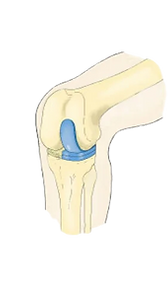
Unlike a total knee replacement, a partial knee replacement is a less extensive procedure, suitable for patients whose knee damage is limited. Most degenerative knee problems tend to involve the inner (medial) part of the knee because the medial meniscus—the cartilage cushioning this area—is thinner and bears more weight during activities like walking.
In a partial knee replacement, only the damaged portion of the joint is replaced, leaving the healthy sections intact. While this approach preserves more of the natural knee structure, it may not always provide complete pain relief. The overall success of the surgery relies heavily on careful patient selection and an accurate assessment of how much of the knee is affected.
Preparation for surgery
Proper preparation for knee replacement surgery plays a major role in how successful the procedure will be and how quickly you recover afterward. Here are the key steps to follow:
-
Keep moving. Light, regular physical activity helps maintain muscle strength and joint flexibility, making rehabilitation smoother. Low-impact exercises such as swimming or cycling are ideal. If your knee is very stiff or painful, aim for several short walks throughout the day to stay at least minimally active.
-
Avoid smoking and alcohol. It’s strongly recommended to stop smoking and limit alcohol intake at least two weeks before surgery, as both can slow bone healing and prolong recovery.
-
Take care of your overall health. Eating a balanced diet and drinking enough fluids helps your body prepare for surgery and supports a smoother healing process. If your BMI is over 25, your doctor may suggest losing some weight. However, extremely low-calorie diets right before the operation are not advised, as your body needs proper nutrition.
-
Stop certain medications. Drugs such as NSAIDs, blood thinners, and aspirin should be discontinued before surgery because they increase the risk of bleeding during the procedure.
-
Inform your surgeon thoroughly. Make sure to tell your doctor about any allergies, previous surgeries, and all medications or supplements you’re taking. If you have chronic conditions that require daily medication, this must be discussed in advance.
-
Follow your personalized pre-op instructions. These recommendations may differ depending on your medical history. Not following them could result in the surgery being delayed or cancelled.
Is there an age or BMI limit for the surgery?
At first glance, it might seem reasonable to expect that a higher body weight would lead to poorer outcomes after knee replacement, since excess weight places additional stress on the joint. Studies have indeed shown a clear link between prosthetic component wear and a patient’s postoperative BMI. However, more recent research indicates that patients with a BMI over 40 do not experience significantly higher perioperative complication rates compared to those with a lower BMI. Moreover, it has been demonstrated that individuals with obesity still achieve substantial pain relief and good functional improvement after surgery.
For this reason, setting a strict BMI cut-off is not justified. Nonetheless, from a medical standpoint, obesity remains associated with various health conditions that can affect daily functioning and overall wellbeing. Therefore, excess weight should not be overlooked—if a patient is able to lose weight, it is certainly beneficial to do so.
The question of age limits for knee replacement is similarly debated. Although older patients may require a longer hospital stay and may face a slightly higher risk of complications, their improvement in quality of life after surgery is very comparable to that of younger individuals.
REHIBILITATION
We provide everything you may need for your treatment in one place — both surgery and rehabilitation are carried out under the same roof for maximum comfort. Recovery after knee replacement is a crucial part of the overall treatment plan and has a significant impact on the final outcome, sometimes determining as much as half of the surgery’s success. Our specialists are here to support you on your journey back to smooth, pain-free movement.
What we offer:
-
Over four decades of experience in delivering high-quality medical care;
-
Comprehensive services in one of the top private clinics in Lithuania;
-
Personalised post-operative physiotherapy sessions and clear instructions from your dedicated physiotherapist to ensure you continue safely once you return to your daily routine;
-
Tailored rehabilitation programmes adjusted to your condition and comfort. These may include cold and compression therapy, various physiotherapy procedures to reduce inflammation and strengthen muscles, range-of-motion training, therapeutic massage, and more. Early post-op rehab focuses on helping you learn to move safely with assistive devices, accelerating healing, and restoring joint mobility;
-
Water-based physiotherapy from the second week after surgery, once the wound is fully healed;
-
Advice on using aids for everyday activities, with the option to purchase them directly from our on-site shop;
-
The possibility to consult with your surgeon during the rehabilitation period;
-
Warm, attentive staff and supportive communication;
-
Comfortable private rooms equipped with everything you need (TV, Wi-Fi, private bathroom, essential hygiene items);
-
Tasty meals with several menu options;
-
All-inclusive rehabilitation packages eligible for coverage by your local health board (as is the surgery itself), meaning your only personal expense may be the cost of the flight.
Our clinic is the leading orthopedic surgery center in the Baltic States


At our clinic, every patient is unique and deserves exceptional care. We take the time to understand individual expectations, carefully planning each procedure to ensure personalized results, all while providing a welcoming environment with modern facilities, delicious food, and free Wi-Fi.
With over 20 years of experience, our highly qualified, English-speaking surgeons and medical staff deliver world-class treatments using the latest technologies, offering a wide range of procedures, including comprehensive bariatric care.
Located in Lithuania, a safe and reliable country, our clinic is committed to quality, responsibility, and 24/7 individualized care—all at affordable prices.